
October 9, 2026
The pulp and paper industry is at a critical inflection point, with manufacturers increasingly recognizing the necessity of transitioning to more sustainable and efficient thermal management systems. Historically, the sector has been heavily reliant on gas-fired heating technologies to generate the steam and hot air needed for various processes, including paper drying, tissue production, and pulp processing. However, the growing global emphasis on reducing carbon emissions and improving energy efficiency is pushing the industry toward electrification as a viable alternative.
This shift is being driven by a combination of economic, regulatory, and technological factors. As natural gas prices fluctuate and regulatory frameworks tighten around carbon emissions, electric-powered solutions are proving to be a more stable and long-term cost-effective approach. Additionally, the technological evolution of electric heating systems has made them a competitive alternative to traditional gas-fired units, offering precise control, improved safety, and significant energy savings.
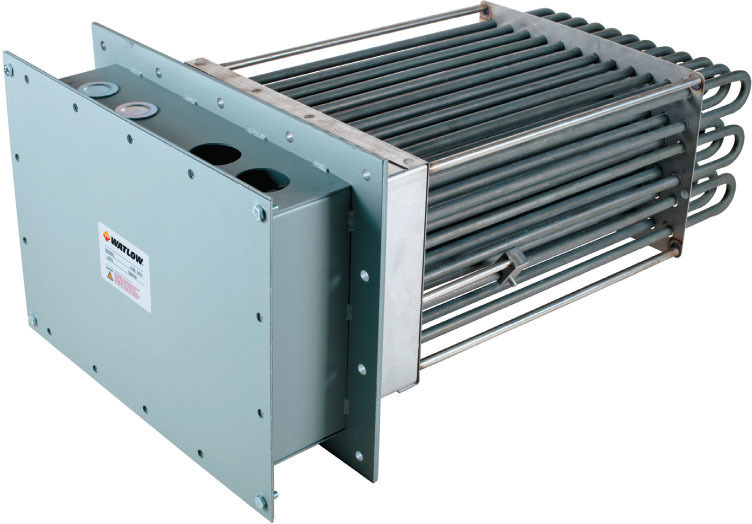
One of the most impactful technologies in the industry today is the electric duct heater, which can provide power outputs exceeding one megawatt. PHOTOS: WATLOW
REGULATORY PRESSURES AND ECONOMIC INCENTIVES
A key driver of the shift toward electrification is the increasing regulatory pressure to reduce carbon emissions. In Europe, policies such as the Fit for 55 program require a 55 percent reduction in greenhouse gas emissions by 2030, making it essential for industries like pulp and paper to rethink their reliance on fossil fuels. Many countries are introducing stricter carbon taxation and emissions reduction targets, encouraging businesses to adopt cleaner energy sources.
Beyond regulatory compliance, electrification offers a range of economic benefits. While the upfront investment in electric heating systems may be higher than traditional gas-fired solutions, long-term operational savings are significant. Electric heaters operate with much greater efficiency, reducing energy waste and lowering overall costs. Unlike combustion-based heating, which requires extensive ventilation and ongoing maintenance, electric heating systems have fewer moving parts, reducing repair expenses and downtime. Additionally, government incentives, subsidies, and tax breaks for sustainable energy investments further enhance the financial feasibility of transitioning to electric-powered thermal management systems.
ADVANCED ELECTRIFICATION TECHNOLOGIES IN PULP & PAPER
Technological advancements in electric heating systems are making it possible for the pulp and paper industry to transition away from fossil fuel-based processes without compromising efficiency or output. The latest innovations in electrification provide a seamless replacement for traditional gas-fired equipment while delivering improved thermal precision, scalability, and sustainability.
One of the most impactful technologies in the industry today is the electric duct heater, which can provide power outputs exceeding one megawatt. These systems are increasingly being used in paper drying applications, especially relevant for tissue and through-air drying machines, replacing inefficient gas burners and reducing both emissions and operating costs. Replacing traditional gas burners with electric duct heaters in these applications leads to significant improvements in energy efficiency and emissions reduction. Electric steam generators are also gaining traction as an alternative to conventional gas-fired boilers, offering rapid heat response, lower maintenance requirements, and improved thermal efficiency.
Medium voltage heating systems are another significant development, addressing the infrastructure challenges associated with electrification. Traditional electric heating requires step-down transformers to convert high-voltage power into usable energy for industrial applications, which can add complexity and cost due to the amount of transformer equipment and cabling required. However, new medium-voltage systems eliminate the need for such transformers, reducing wiring complexity and improving overall system efficiency. Medium voltage heaters can operate up to 7200V, delivering up to 20 megawatts of power while minimizing energy losses.
Flanged immersion heaters are also becoming a preferred choice for steam generation and drying processes. These electric heaters allow for precise heat control, improving the uniformity of paper drying and reducing the risk of quality defects. By eliminating the inefficiencies associated with gas combustion, these systems contribute to a more stable and cost-effective production process.
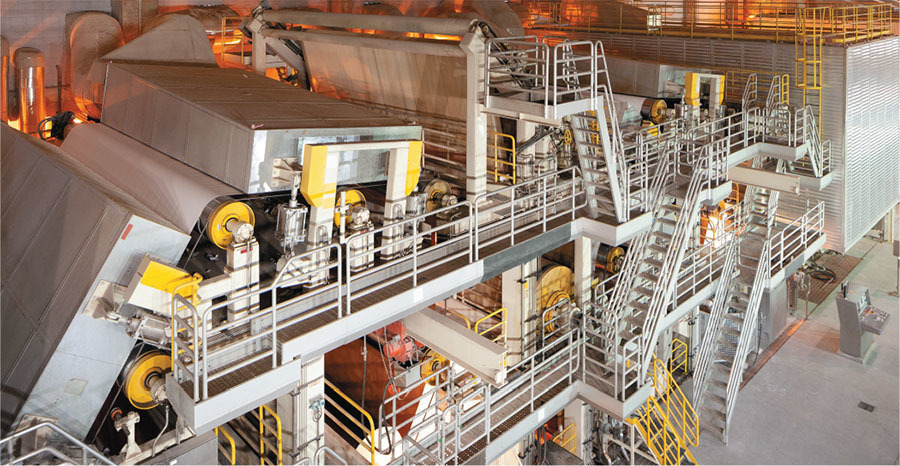
Tissue machines, including ones utilizing TAD technologies, which traditionally relied on gas burners, are now being equipped with electric duct heaters.
OPERATIONAL AND ENVIRONMENTAL BENEFITS
Electrification offers a range of operational advantages beyond regulatory compliance and cost savings. One of the most significant benefits is the ability to achieve precise temperature control, which is critical in the pulp and paper industry. Electric heating systems provide immediate and accurate heat adjustment, ensuring consistent drying and improving the overall quality of the final product.
Another major advantage of electrification is the reduction of harmful emissions. Gas-fired systems generate nitrogen oxides, sulphur oxides, and carbon dioxide—all of which contribute to air pollution and climate change. Electric heating eliminates these emissions, reducing the environmental impact of pulp and paper production and simplifying compliance with evolving environmental regulations. Additionally, the elimination of combustion-related byproducts reduces the need for complex ventilation and exhaust systems, further lowering both capital and operational costs.
In tissue production, consistent thermal control is crucial for ensuring product softness, drying uniformity, and energy-efficient water removal. Electrification enables tighter control over these variables, leading to enhanced product quality and reduced resource consumption.
The transition to electrification also enhances workplace safety. Traditional gas-fired equipment carries risks associated with combustion, including potential gas leaks and explosions. Electric heaters, on the other hand, operate without open flames or fuel storage, significantly reducing the risk of workplace hazards.
INDUSTRY 4.0 AND SMART ELECTRIFICATION
The future of electrification in pulp and paper manufacturing is closely tied to the integration of Industry 4.0 technologies. Digital transformation is enabling companies to enhance the efficiency and reliability of their thermal management systems through smart process control and real-time data monitoring.
IoT-enabled sensors and AI-driven analytics are allowing manufacturers to track energy consumption, temperature fluctuations, and system performance with unprecedented precision. This level of real-time monitoring helps companies optimize their energy usage, predict maintenance needs, and prevent costly unplanned downtime.
Predictive load management is another key innovation that improves efficiency by balancing electrical loads and minimizing peak demand charges. By intelligently distributing energy across different processes, manufacturers can optimize their power consumption and reduce overall energy costs.
Systems like Watlow’s Integrated Thermal Loop ensure that heat sources, instrumentation, and power management units work together seamlessly, enhancing efficiency and minimizing energy waste. The ability to integrate electric heating with smart grid infrastructure also opens the door for pulp and paper manufacturers to incorporate renewable energy sources, further reducing their reliance on fossil fuels and lowering their carbon footprint.
REAL-WORLD APPLICATIONS IN PULP AND PAPER
Several companies in the pulp and paper industry have already begun implementing electric heating solutions with promising results. Tissue and through-air drying machines, which traditionally relied on gas burners, are now being equipped with electric duct heaters. This has not only reduced energy waste but also improved process reliability and end-product softness— critical quality metrics in tissue manufacturing.
Electric drying systems are also being adopted in large paper mills, where the ability to control temperature with precision has resulted in improved product quality and reduced production variability. Steam generation, a critical component of pulp processing, is increasingly being electrified, with electric steam boilers providing a cleaner and more reliable alternative to gas-fired units.
CHALLENGES IN THE TRANSITION TO ELECTRIFICATION
Despite the clear advantages of electrification, there are challenges that manufacturers must address. One of the primary concerns is the initial capital investment required for electric heating systems. While long-term operational savings help offset these costs, some companies may hesitate to make the transition due to budget constraints.
Grid costs and infrastructure limitations can also pose challenges, particularly in regions where the existing electrical supply may be more costly or grid capacity limits large-scale industrial electrification. However, the adoption of medium-voltage electric heating solutions helps mitigate this issue by reducing overall electrical demand while maintaining efficiency.
Some manufacturers may prefer a phased approach to electrification rather than a full transition all at once. Modular heating solutions allow companies to implement electrification gradually, minimizing disruptions to production and allowing for incremental investments as they adapt to new regulatory and market conditions.
THE FUTURE OF ELECTRIFICATION IN PULP & PAPER
The pulp and paper industry is at a pivotal moment, with electrification emerging as the leading solution for sustainable and efficient thermal management. As regulations tighten and energy costs fluctuate, manufacturers that embrace electric heating technologies will gain a competitive advantage in terms of cost savings, operational efficiency, and environmental compliance.
By integrating modern electric heating systems with smart control technologies and leveraging advancements in industrial automation, pulp and paper manufacturers can position themselves for long-term success. The shift to electrification is no longer just an environmental consideration—it is a strategic investment that will define the future of the industry. Companies that act now to modernize their thermal management systems will be well-positioned to thrive in an increasingly sustainable and efficiency-driven marketplace.