
September 15, 2025
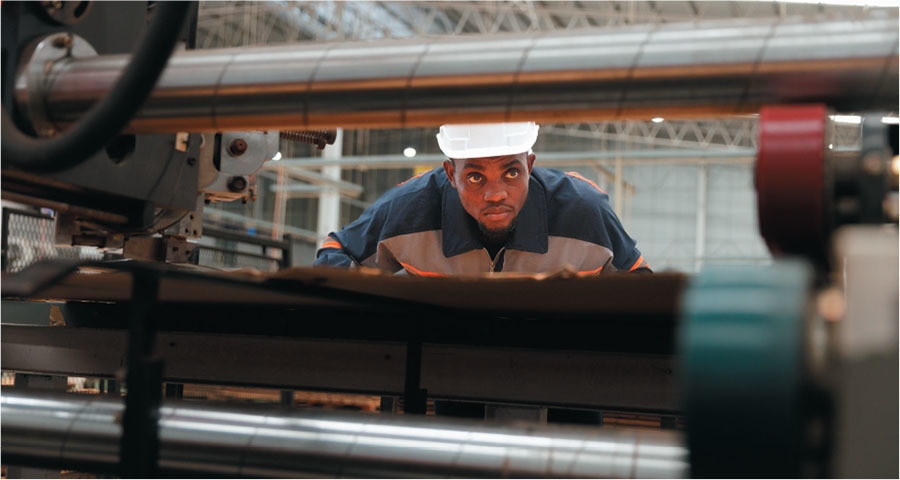
Encountering a lot of unscheduled production downtime can be a challenging and costly issue for any manufacturing operation. Addressing this effectively requires a combination of immediate actions and long-term strategies:
- Immediate response and assessment: When unscheduled downtime occurs, the first step is to promptly address the issue to minimize immediate impacts. This involves quickly identifying the cause and implementing a solution—whether it’s a repair, a workaround, or an alternative production method.
- Data analysis and pattern recognition: Post-crisis, it’s crucial to analyze the event thoroughly. This involves reviewing data to understand why it happened. Was it an isolated incident or part of a recurring pattern? Understanding the underlying causes is key to preventing future occurrences.
- Training and skill development: Often, a high level of unscheduled production downtime is a symptom of gaps in staff training and skills. Investing in comprehensive training for maintenance and operational personnel is crucial. This ensures that the team is equipped to both prevent potential issues and respond effectively when they occur.
- Developing a proactive maintenance culture: Shifting from a reactive to a proactive maintenance approach can significantly reduce high production downtime. This involves regular equipment inspections, predictive maintenance, and preemptive planned and scheduled repairs.
Handling high production downtime isn’t just about quick fixes; it’s about building a resilient and responsive system capable of adapting to challenges and minimizing their impact on production.
HOW CAN IT BE PREVENTED?
Preventing unscheduled production downtime is a multifaceted endeavor that requires a proactive and comprehensive approach. We advocate for several key strategies to mitigate the risk of unplanned stoppages:
Implementing preventive maintenance inspections: Using predictive maintenance techniques and basic inspections such as “look, listen, feel, smell” is a cornerstone of preventing unscheduled downtime.
By monitoring the condition of equipment and predicting failures before they develop to a breakdown, we can schedule maintenance activities without disrupting production schedules.
Regular training and skills enhancement: Continuous training of maintenance and operational staff plays a crucial role. By staying updated on the latest techniques and understanding the nuances of the machinery they operate, employees can identify and address potential issues before they escalate into major problems.
Optimizing spare parts management: Efficient management of spare parts inventory ensures that critical components are available when needed, reducing the time taken to repair and get equipment back online.
Streamlining maintenance processes: Simplifying and standardizing maintenance processes can significantly reduce the likelihood of errors and oversights, thereby minimizing downtime.
By focusing on these proactive measures, we aim to create a robust framework that not only addresses immediate concerns but also lays the groundwork for long-term operational stability and efficiency.