
March 20, 2026
Optimizing paper mill performance begins with a secure, connected, and modernized plant floor. This foundation provides real-time data access, supports predictive maintenance, and prepares plants to leverage new technologies, including industrial AI and advanced data analytics.
Before plant performance can be optimized, however, facilities should do a “health assessment” to understand the business operations—people, materials, and data—and potential business impacts of each. Health checks are preventive and predictive, designed to help organizations understand the lifecycle status, parts availability, and general conditioning of equipment, and proactively identify risks and areas of improvement before issues arise. This assessment will determine if a plant is running efficiently and can help mitigate risks.
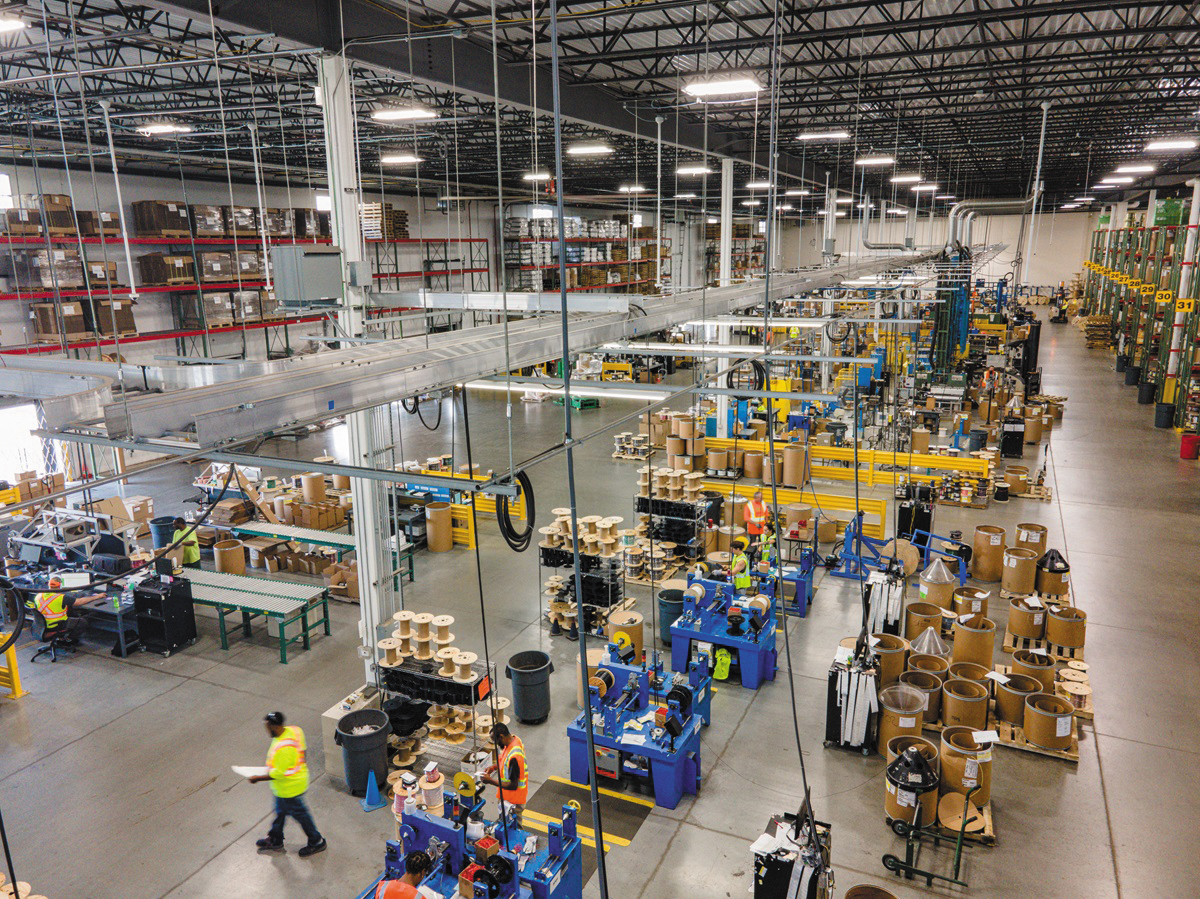
A secure, connected, and modernized plant floor is the foundation for performance optimization.
The following guide will help you evaluate your paper mill operations and determine ways to identify and address operational inefficiencies.
SEVEN KEY STEPS FOR
A PLANT HEALTH CHECK
- Align on challenges and desired outcomes: It may seem obvious, but every health assessment needs to start with a clear definition of the challenges you’re facing, and the ideal outcomes you want to achieve. Failing to do so increases the risk of any solution being unfocused or ineffective.
You may want to address safety concerns, modernize aging equipment or processes, reduce energy use, or optimize production flow. Whatever your unique situation, start by clearly defining the challenges and end goals.
- Start with safety in mind: Even if safety isn’t one of the top areas identified in Step 1, it’s critical to include safety as part of your health check. Are you compliant when it comes to electrical equipment maintenance and training? Are your lockout/tagout processes effective, or are there opportunities to improve? Does your mill have strong physical security measures in place?
A safety incident can have serious repercussions both for your workers and business. It’s imperative to detect any potential safety issues before a failure occurs so that every employee goes home safe.
- Analyze the flow of your operations: Map out how materials and paper products move through your manufacturing process. It’s possible that machine location might hinder optimal production or lead to higher scrap rates, which can impact overall output. Also look at how operators move from one task to another. Too much time spent walking back and forth between machinery could indicate that operations are inefficient and could be optimized by reconfiguring the plant floor.
- Evaluate equipment effectiveness: Aging equipment is generally more prone to failures, which could lead to costly downtime. It’s also usually less efficient, which can create higher energy costs or reduced output. If a piece of machinery is especially old, replacement parts might be hard to source as well.
Incorporating this step into your plant health assessment can identify opportunities to increase automation, enhance energy efficiency, reduce costs, and boost output.
- Scrutinize maintenance procedures: Review your procedures for maintenance, changeovers, and troubleshooting. Do you have insight into the performance of your equipment, and whether issues can be identified before they become failures? Without proactive insight into production issues, operators are forced to respond reactively. This can lead to costly downtime, inefficient operations, and even injuries.
As part of this step, determine whether you have the ability to monitor the condition of your equipment, especially critical and high-value assets. Heat can also be a critical issue in pulp, paper, and packaging mills. When evaluating maintenance procedures, be sure to inspect for potential heat issues, and whether coolers are operating properly.
- Assess your labor needs: Many facilities continue to struggle with labor shortages and other labor-associated challenges. These issues will only get more pronounced as the workforce ages and seasoned workers retire. During your health assessment, be frank about your labor situation.
Do you have shortages in key roles that could cause production bottlenecks? Do you have skill or talent gaps? Are some workers underutilized? Depending on the answers to these questions, your health check could reveal several potential solutions. Perhaps implementing automation solutions could alleviate some of these challenges. Further training or cross training could create a more agile and flexible workforce. Incorporating AI and other advanced technologies might be a viable option as well.
- Understand how you use data: How do managers incorporate data into daily operations? Is it being used efficiently to enable people and processes? When used properly, data and advanced analytics can help reduce waste, enhance product quality, help boost productivity and output, identify areas to reduce costs, and spotlight maintenance needs before they become broader issues, among many other use cases.
Depending on where you are in your modernization journey, your data needs could vary. Some paper mills that are further along may need relatively minor tweaks to better leverage the data they’re already collecting. Others may need help migrating from manual, clipboard-based operations.
Any conversation around data should also include cybersecurity. A thorough cybersecurity evaluation will help ensure that all your connected assets—and the data they collect—is protected from bad actors.
HEALTHY AND SECURE
A secure, connected, and modernized plant floor is the foundation for performance optimization. It unlocks access to real-time data, enables predictive maintenance, and positions you to take full advantage of emerging technologies like industrial AI and advanced data analytics.
The health check of your facility can be a vital tool that leads to better-informed, critical business decisions. While connectivity and advanced analytics are now enabling a smarter manufacturing experience, process improvements are only possible when manufacturers unlock data from key assets, processes, and people to uncover the strategic insight needed for agile, impactful decision-making and new business model development. When you’re ready to unlock those insights to allow process improvements and product differentiation, this can serve as your blueprint.
If you need help getting started, or with any of the steps listed above, reach out to a trusted partner. A partner can provide the expertise needed to thoroughly evaluate your operations and identify best practices and opportunities for improvement. A good partner can also connect you with top-tier manufacturers, to ensure that any new equipment or solutions meet your needs and enhance your operations.
Dan Furrow is an experienced executive in global accounts and international markets, currently serving as the senior vice president at Wesco, following a tenure as vice president of global accounts. Learn more at wesco.com.