
May 28, 2026
Though available for decades, early adoption of enzymes has lagged. Today, advances in engineering, precise dosing, and application expertise deliver consistent, mill-proven results.
For a typical 60,000 tpy tissue machine, enzyme-driven strength gains enable an average 10 percent reduction in long-fiber share, shifting to shorter or lower-cost furnish. This typically saves $150,000–350,000 annually in fiber costs. Mills also commonly achieve ~30% lower refiner energy (kWh/t), plus reduced hood steam demand from better drainage, yielding combined savings of $300,000–$600,000 per year, depending on energy tariffs and uptime.
Runability and quality benefits include stabilized wet end, fewer breaks, potential for higher speeds, increased bulk from gentler refining (less fiber cutting), lower dust risk, and improved surface softness—all while maintaining target tensile strength.
PETROFER’s approach puts risk control first: tailor enzyme selection and dosing to the mills’ specific furnish and machines. Trials are planned collaboratively with operations, backed by hands-on training for crews. Performance is tracked against agreed baselines and exit criteria and summarized clear business benefits are obtained for the customer.
Visit PETROFER at Tissue World Miami—Booth D104.
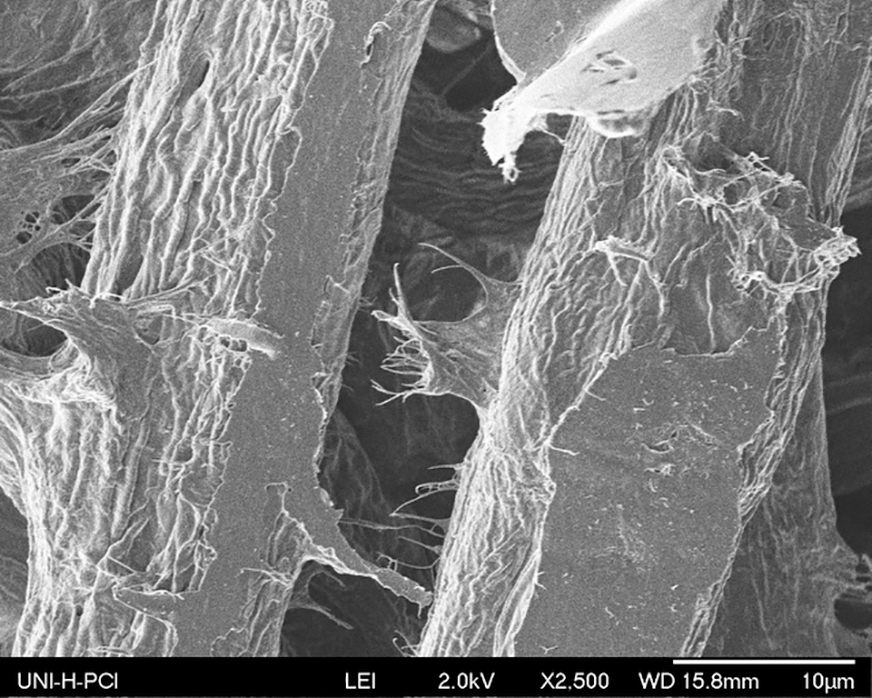
Image 1: Fiber without enzyme treatment.
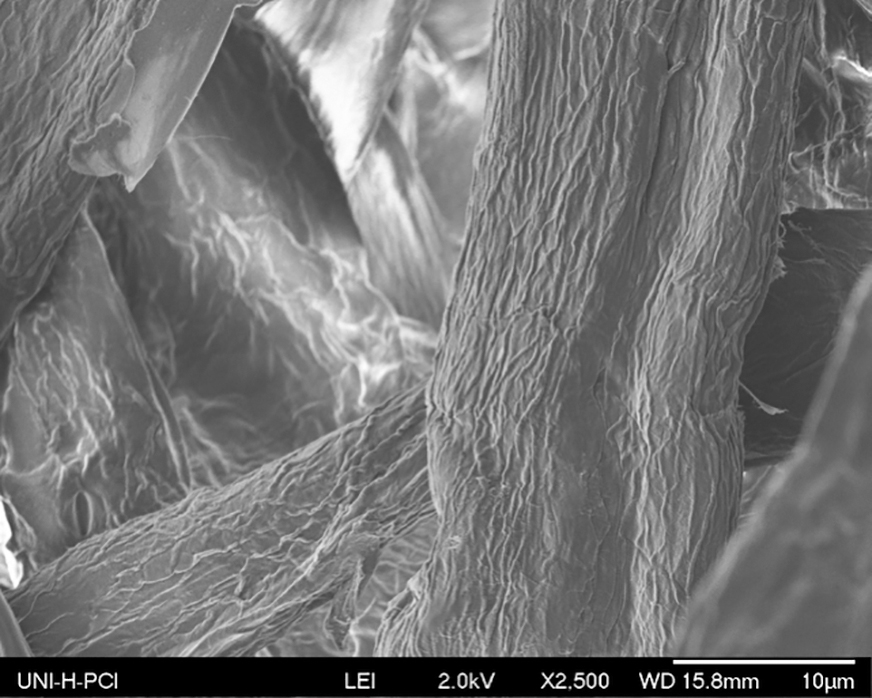
Image 2: Fiber with enzyme treatment.